

Group legal insurance plans are one of the fastest growing employer benefits.
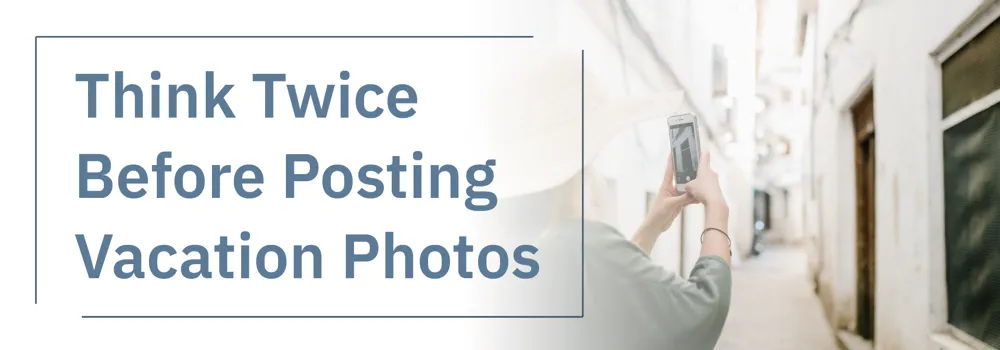
Think Twice Before Posting Your Vacation Photos
Published July 14, 2021
Think Twice Before Posting Your Vacation Photos
In the 21st century, turning to social media to document our travels through European sites and Caribbean beaches is a knee-jerk reaction. We live vicariously through others’ experiences and want to share with our digital friends the highlights of our travels abroad. Documenting your movements publicly and in real-time poses a significant threat to your safety, however.
Internet scammers scour the web for users on lengthy vacations. According to TIME Magazine, nearly 80% of burglars look to Facebook, Instagram, and other social networking platforms to plan their next heist. This knowledge opens the door for theft (literally) and alerts criminals that your home, cars, and other valuables are unprotected. A vacant home is an easy target for burglars. And the longer the homeowners are away, the more time its gives thieves to manipulate security systems and stake out the neighborhood for opportune time for entry.
The best ways to mitigate the risk of a break-in while on vacation include:
Limit posting on social media. This rule should extend to all members of the family. Friend circles are large and complicated, especially online, so monitoring posts across all parties ensures everyone is aware of what is being posted, when, and where.
Upgrade your security system. Innovation in home systems allow homeowners to check on their property anytime, anywhere. Do your research before investing in smart technologies so you fully understand the benefits and risk of surveillance devices. Also, avoid using security apps over public Wi-Fi as someone could gain access to your account.
Be wary of the photos you do share. If you must post photos while on a getaway, refrain from sharing anything that contains personal identifiable information such as a boarding pass, passport, hotel reservation, room number, and the like. Internet trolls can use this information to manipulate your travel plans. Exposing your scannable barcode gives hackers the opportunity to change your flight, cancel your trip, or hijack your reserved experiences.
Looking for more identity theft tips? Check out our latest articles here.

When a Scam Knows Too Much: Helping Employees Protect Their Identity
Today’s scams are increasingly sophisticated, often using personal information to appear legitimate. A recent Wall Street Journal story about a $25,000 jury duty scam highlights how difficult these threats can be to recognize. Legal Resources’ ID Protect helps employees monitor, detect and respond to identity threats with monitoring, alerts and restoration support, giving employers a valuable way to help protect and support their workforce.
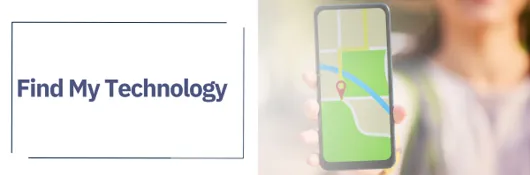
How Safe is Location-Tracking Technology?
Are location tracking apps a modern convenience or a privacy nightmare? While these technologies help us find lost devices and track important packages, they can also expose our daily routines and sensitive information to potential criminals. Learn how Account Takeovers could give hackers access to your entire digital life and discover simple steps to protect yourself while still enjoying the benefits of location tracking. Read more to safeguard your digital footprint without sacrificing convenience.
Credit Card Theft vs. Identity Theft
This article explains the key similarities and differences between credit card theft and identity theft, detailing how each form of financial fraud affects individuals. It provides guidance on recognizing warning signs of identity theft and taking preventive actions to safeguard personal information and financial accounts.